Facebook
 twitter


Galway Races: Why the Draw is Crucial

Enda McElhinney

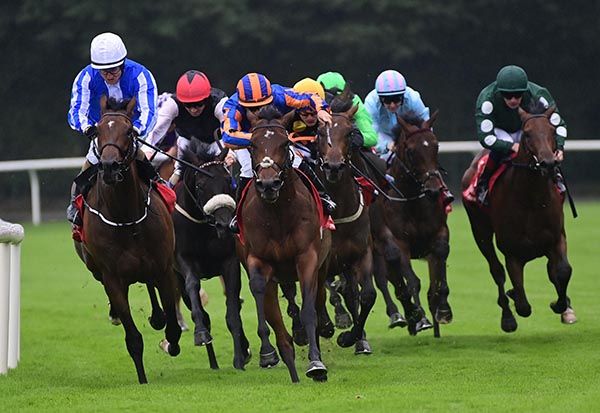
© Healy Racing Photos
The Galway Races is one of Ireland's much-loved summer sporting events, a seven-day jamboree on the west coast in the midst of one of the most popular tourist outposts in the country.
The end of July / beginning of August meeting captures the public imagination like few others.
The Ballybrit track is demanding in its nature. The right-handed track at Galway features a steep incline to the finishing post but is generally considered a sharp track in its nature. On the Flat, the home straight is just a furlong in total.
The draw can be all-important and we are taking a look at some of the factors that make stall position a key concern for the Galway Races contenders.
Novibet Betting Offer
Tricky track for riders
The Ballybrit track is turning in its nature and tight, with many jockeys labelling it a tricky place to ride.
The desire to be prominent early on often leads to plenty of early pace, so horses with good early speed are well set up for Galway when they are drawn to attack.
The stiff incline that leads to the winning post means that all horses turning up here need to have proven stamina for the trip they are running at.
The ever-popular Galway Races tend to attract big fields. Therefore hold up horses are liable to run into traffic woes, often accentuated by horses that have gone too fast early on coming back through the pack.
Low draw preferred
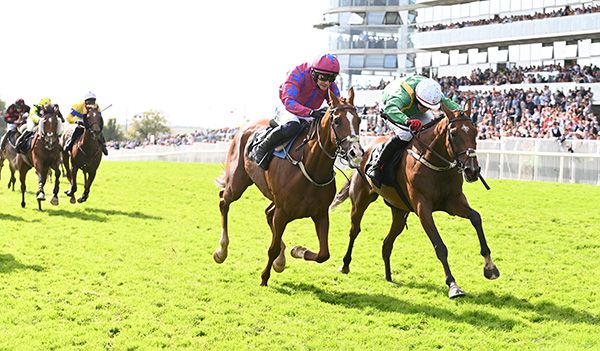
© Healy Racing Photos
A low draw is viewed as a positive for horses racing over 7f/1m around Galway as it facilitates a decent start and a good early position. Winning over 7f from a high-number stall is seen as a tall order, almost viewed as a Galway golden rule by those that know the track best.
The further the distance, generally speaking the more the draw bias tends to even out, giving horses more time to gain a good tactical spot in the run.
The problem for those drawn 'high' - roughly stall 10 or higher - is that they meet a sharp bend after about a furlong or so on the 7f course.
In athletics terms, that is the equivalent to being drawn in lanes six to eight on a running track and meeting the bend after 50 metres. The draw bias is less prevalent over trips of a mile-and-a-quarter and further.
Racing riding key to success
Jockeys have to be on high alert to succeed at the Galway Races, where riding fees are truly earned.
Luck in running can be a big factor, as there are often big fields there and they tend to race very tight due to the turning nature of the track. A jockey that is able to find a good position in the early stages of a race is at a major advantage.
Often, following the right horses can be key too, with the early pace often frenetic as big fields of handicappers try to make early gains only to find they have gone too fast and then start to drop back.
For a hold up horse, having such contenders fall back into the path can wipe out their chances in a stride or two as momentum lost is not easy to regain at Galway.
For these reasons and more, horses that have shown a fondness for the Ballybrit track often tend to fare well repeatedly.